


Vodafone: "The potential of 5G is far from exhausted"
Vodafone is continuing to expand its 5G network in Germany and now reaches 93% of the population with 5G standalone. There is still a long way to go until 6G.
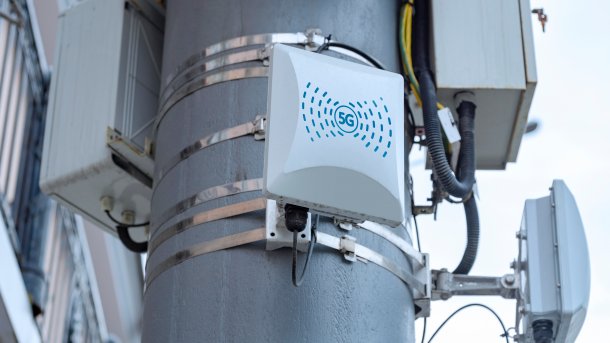
(Image: Lisic/Shutterstock.com)
Vodafone Germany continues to expand 5G Standalone (5G SA) in its mobile network and now reaches 93% of the population. At the same time, more and more customers are using 5G and data traffic on the network continues to grow, the company announced on Monday at the start of the MWC mobile communications trade fair in Barcelona.
"We assume that 5G data traffic will already account for around 30 percent of the total data volume in twelve months," said Vodafone's Head of Technology Tanja Richter on the sidelines of the MWC. Last year, the share was around 15 percent.
Many users stick with LTE
Almost all smartphones sold by Vodafone are now also 5G-capable, according to the network operator. Around 60 percent of existing customers with a fixed-term contract use a 5G smartphone –, although older models often do not support 5G SA.
With 5G SA, all data and calls run entirely over the 5G network without using the LTE core network. Vodafone had already put the first locations with 5G SA into operation in Germany in 2021 and has continued to expand them to date. The network operators like to market the technical leap as "5G+".
5G SA promises lower latency and more efficient data transmission. High bandwidths can be achieved with 5G SA by bundling frequency bands. Vodafone uses frequencies in the 700 megahertz, 1.8 gigahertz and 3.5 gigahertz ranges for 5G SA.
Videos by heise
"5G will be with us for many years to come"
"With every innovation, the 5G network becomes more powerful and efficient," says Richter, referring to functions such as edge computing and network slicing that are possible with 5G SA. IoT networking and the integration of satellites are also included in the 5G standard.
"The potential of 5G is far from exhausted, 5G will be with us for many years to come," says Richter. "But it is important that we are already working on the foundations of 6G today. To pave the way for future innovations that will be brought to life in the mobile networks of the future."


(vbr)


