


E-mobility: call for a non-discriminatory offer for public charging
Small and light electric vehicles are not allowed to use many public charging stations, criticizes the VCD transport club. This affects climate-friendly models.
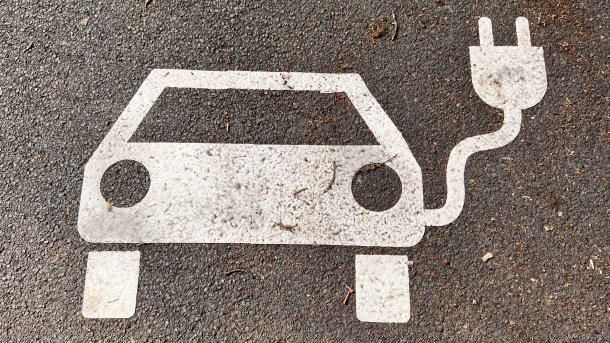
(Image: heise online / anw)
E-mobility in Germany is not only suffering from a lack of affordable models, but also from a lack of charging facilities despite the increase in charge points. This has been criticized by the ecologically oriented transport club VCD. Moreover, many of the existing charging stations in public spaces are not even allowed to be used by some e-vehicles. These are small and light electric vehicles such as scooters with electric motors, "which are particularly environmentally friendly". The reason: they lack the official e-license plate.
"Blocked charging points and blocked parking spaces are a daily annoyance for e-vehicle users," writes the VCD. "In order for illegal parking to be punished, the parking spaces at the charging points must be clearly marked in accordance with traffic law." But there is a lot wrong here. This is because the signage is often contradictory and even excludes many e-vehicles. The main problem is that additional signs at charging points, such as the "car with plug" symbol created by the Electric Mobility Act, only apply to vehicles with an e-license plate. Electric vehicles in class L6e, which includes certain e-scooters and light electric vehicles, often do not receive this and are therefore excluded from legitimate use of these charging points.
VCD transport policy spokesperson Michael Müller-Görnert therefore appeals to the responsible authorities to review their signage at public charging stations. They should be adapted "so that non-discriminatory use is possible for all e-vehicles". The alternative additional sign 1050-32 for "electric vehicles during the charging process" is recommended. This would allow all e-vehicles to park while charging, regardless of their license plate number. However, it clearly excludes vehicles without an electric drive. This would not only make better use of the existing charging infrastructure and promote electromobility, but would also promote climate protection. The ADAC has also already criticized the confusing signage.

Additional sign 1050-32 preferred
The German Aerospace Center (DLR) has attested that light electric vehicles have great potential to significantly reduce greenhouse gas emissions in the transport sector by 2022. Half of the kilometers currently driven by car in Germany could theoretically be covered by "light electric vehicles". This would reduce greenhouse gas emissions by 44 percent compared to journeys in conventionally powered cars. The maximum design speed of L6e vehicles is up to 45 km/h. In addition to e-scooters, e-bikes and e-cargo bikes, electric scooters and motorcycles, the researchers also included three- and four-wheeled small cars in the L5e to L7e classes in their study.
Videos by heise
The Federal Council recently complained that "the ramp-up of electromobility continues to be hampered". This makes it necessary to "adapt the regulations currently in place at EU level to the current economic reality and current consumer behavior". The EU decision to no longer allow new petrol or diesel cars from 2035 should therefore be put to the test earlier. In Bavaria, electric and hybrid cars will be allowed to park free of charge for up to three hours from April.


(hos)

