


Disruption of satellite navigation: appeal from UN organizations
Satellite navigation is particularly disrupted in conflict zones. Three UN organizations have published an appeal in view of the growing problems.
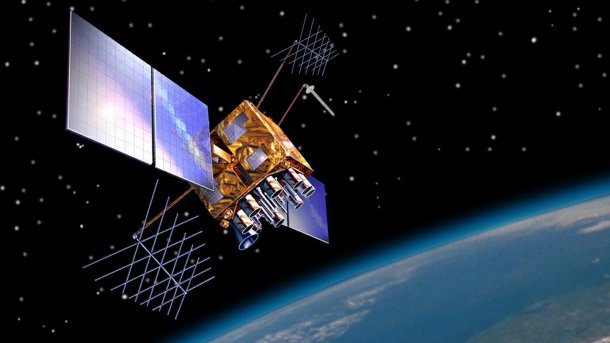
(Image: US National Executive Committee for Space-Based Positioning, Navigation and Timing)
Several United Nations organizations have published a joint appeal in view of the sharp increase in disruptions to satellite navigation. The paper is addressed to the member states and calls on them to take stronger action against interference and to maintain and expand alternative navigation methods.
The exact number of disruptions is unknown, but the number of reported incidents has increased significantly and, according to experts, is probably just the tip of the iceberg. The number of reported incidents has increased fivefold from 2023 to 2024, according to Deutsche Presse-Agentur, quoting the International Telecommunication Union (ITU). Conflict regions such as Ukraine or the Middle East are particularly affected, but also areas such as the Baltic Sea.
Jamming and spoofing
A distinction is made between jamming and spoofing. Jamming refers to radio signals on the same frequency and causes the signal to be interrupted. Even more dangerous is spoofing, in which fake signals are sent out, which can mislead ships and aircraft.

However, the publishers of the appeal, the International Telecommunication Union (ITU), the International Civil Aviation Organization (ICAO) and the International Maritime Organization (IMO), point out that interference with the four largest global navigation systems, GPS (USA), Galileo (EU), GLONASS (Russia) and BeiDou (China), does not only affect positioning in aviation, shipping and land transport. The precise time signals are also important for financial transactions, communication and power grids. Science, disaster relief and rescue services are also among those affected if signals are disrupted or falsified.
Videos by heise
Countries must resolve problems
The three organizations also encourage the development of techniques to mitigate service outages. In the Baltic Sea, for example, attempts are being made to remedy the situation with terrestrial signals. In any case, the organizations also ask the recipients of the appeal to report disruptions to them in order to obtain a comprehensive picture of the situation. However, according to ITU rules, the countries themselves must provide a remedy – as it is suspected that some of the countries in which the interference is reported are themselves responsible for it.


(mki)

