


EU penalties against Apple and Meta: game, set, but far from a win
With the fines for Apple and Meta, the reality check of EU laws is one step closer, says Malte Kirchner. But this is just the beginning.
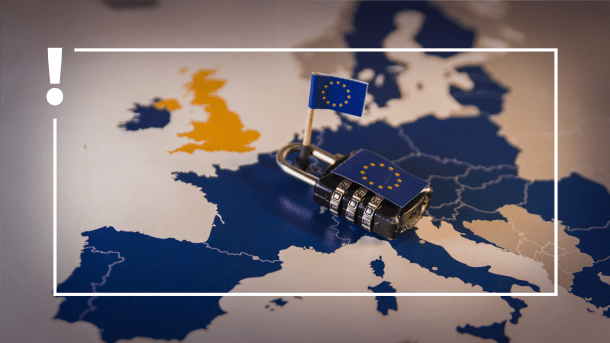
(Image: Ivan Marc / Shutterstock.com)
In the eternal ping-pong game about EU regulation of tech companies, we are finally approaching the end of the first sentence: since the adoption of European digital laws, there has been a public back-and-forth between the EU Commission and the mostly US companies. The fines against Apple and Meta, with penalties of 500 and 200 million euros respectively, are now virtually calling for legal action – The EU has thrown down the gauntlet. A dispute in court could finally provide more clarity whether the EU Commission is really acting as aggressively against Apple, Meta and co. as they claim – or whether Brussels can rightly say: "This, dear friends, is not the way forward."

With the penalized infringements – Apple's hurdles against alternative app stores and payment models and Meta's idea of making users pay for the protection of their data –, the situation seems so clear at first glance that the EU has little to fear in the matter. But in court, it is also a question of whether laws are proportionate and whether form is respected. It is therefore not clear from the outset that the EU will emerge stronger from this dispute.
So far, the Digital Markets Act (DMA) has only been subject to this reality check in any significant form when it comes to classification as a very large platform. TikTok fought against its classification – and lost in court. The other provisions of the DMA are still awaiting judicial confirmation. The fact that this did not happen was simply due to the fact that the tech companies appeared, at least outwardly, to want to comply with the EU regulations.

US companies hope for support
The match point in the long-running dispute over the regulation of the digital space is certainly far from being played with a ruling. The initial reactions from Apple and Meta leave no doubt about this, although they are clearly not so much speculating on the help of the judges. They are dreaming of winning decisive victories against the EU on two other playing fields.
Videos by heise
One playing field is international politics. The fact that Meta is cozying up to the new US government is a development that was already clearly evident at the beginning of the year. Apple boss Tim Cook apparently also has a short line to the White House, which enabled him to obtain exemptions for the tariffs against China. The rhetoric chosen now, which talks of super tariffs and insinuates discrimination against US companies, is tooting the horn of the US's new international trade policy. Whether the EU can prevent a thunderstorm from Washington with its conspicuously low penalties seems more than questionable, but according to the old rules of diplomacy, it is explainable that it has not immediately called for maximum penalties.
The definition of freedom
Apple in particular has been playing the other game intensively for some time: courting the sympathy of users. Regulation is portrayed as a threat to IT security, as an invasion of privacy and as a denial of customer self-determination. In this context, the EU requirements appear as unwanted interference, as paternalism – as something that runs counter to the true interests of citizens. And an astonishing number of voices on the internet agree with this.
It is therefore anything but a foregone conclusion that EU policy will remain on top, even if a court certifies that it has done a good job. The bigger challenge is whether Europe is self-confident enough to maintain its stance towards the USA, which is now no longer afraid to put Europe in a headlock like the unloved know-it-all classmate in the schoolyard. And as a result, the question arises whether the majority of citizens are convinced enough of the need for regulation to endure this reaction, which could have a direct impact on them and their everyday lives.


(mki)

