


Meta declares war on spam in the Facebook feed
"We have understood" writes Meta in its blog. The standard Facebook feed is to be made usable again through numerous changes.
(Image: Algi Febri Sugita/Shutterstock.com)
The feed, i.e. the content presented by the system when you first open Facebook, was and is the heart of social media: Like hardly any other company before it, Facebook was the first to understand how to show its users the content that really interested them, sorted algorithmically. In a gradual process over the years, however, the Facebook feed of all things has become increasingly uninteresting, with spam of all kinds being a core problem.
However, Facebook is not only concerned with what the term spam originally meant, i.e. unsolicited and mass-displayed advertising that is irrelevant to the individual person. Rather, content that was intended to generate reach for individual accounts or groups through emotionalization accumulated on the platform. This has apparently worsened since Facebook started offering monetization.
Facebook admits weaknesses
However, and this is just one measure, this is now to be switched off for spammy accounts. In a detailed blog post, the parent company Meta has now explained how spam in the feed is to be combated. It starts with a clear admission: "The Facebook feed does not always deliver new, engaging posts that you consistently like." That's why Facebook is now working on changing this again.
Accounts that create spam content are to be blocked. Already monetized accounts may also lose the opportunity to earn money if they participate in spam waves. Facebook clearly states that it can recognize such automated processes and takes action against them. In 2024, a full 100 million Facebook pages were reportedly removed for generating fake reach with automated follows. In addition, 23 million accounts were blocked that were allegedly fakes of well-known content creators. This "impersonation" is apparently also a growing problem on Facebook.
Videos by heise
However, the new measures not only affect dubious actors, but also ordinary users. If they share spam content, this content will be displayed less frequently in future. The same applies to comments on this content. And also for content that is inherently misleading. Facebook gives the example of images where the caption has nothing to do with what is shown and where a particularly large number of hashtags are used.

Many hashtags lead to downgrading
Spammers try to attach themselves to trending topics via hashtags, and not only on Facebook. It is therefore not only on this service that hashtags have become less important for years due to the algorithms. In the case of Facebook, the company has now announced that the excessive use of tags can lead to posts only being displayed to direct followers. The manipulation of the algorithmic recognition of trends is thus to be prevented. Users will also be able to report irrelevant comments.
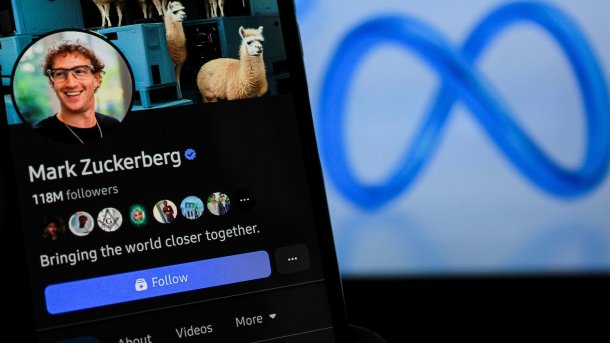
It is safe to assume that Facebook is serious about such measures. Only four weeks ago, the company introduced a new friends feed that only shows posts from friends and not algorithmically selected suggestions. According to founder Mark Zuckerberg a month ago, this should feel like the beginnings of large social networks around 2006. The friends feed, it was also said on this occasion, should only be the first step towards a more relevant Facebook.


(nie)

