


"Exceptionally low-wind" quarter: fossil fuels overtake renewables
The majority of electricity in Germany has long since come from renewable energy sources, especially wind. The weather has changed that again recently.
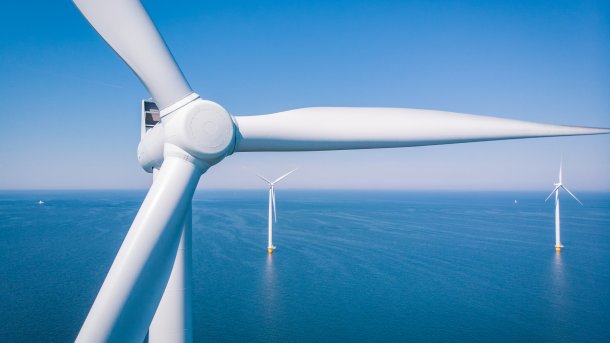
(Image: fokke baarssen/Shutterstock.com)
For the first time in two years, more electricity from fossil fuels was fed into the grid in Germany in the first quarter than electricity from renewable sources. This was determined by the Federal Statistical Office, which explained that electricity generation from fossil sources rose by 19.3 percent to 60.2 billion kilowatt-hours, while that from renewable sources fell by 17 percent to 59.1 billion kilowatt-hours. The main reason for this was the decline in wind energy, for which the weather was responsible. Only 27.8 percent of the electricity mix came from wind power plants, compared to 38.5 percent a year ago. The share was last similarly low in 2021.
Coal just behind wind
According to the authority, the first three months of the year were “exceptionally windless”, which was the main reason for the decline. In contrast, electricity generation from photovoltaics increased significantly and the share of biogas in the electricity mix also grew. According to the figures, the decline in wind energy was primarily offset by natural gas and coal-fired power generation. Overall, coal as a source of electricity was therefore only just behind wind energy, which remained the most important energy source. In addition, total electricity imports rose by 14.9% to 19.3 billion kilowatt-hours, while exports fell marginally by 3% to 16.2 billion kilowatt-hours.
Videos by heise
The fact that fossil fuels overtook renewables at the beginning of the year while the total amount continued to fall contrasts with the trend of recent years. The Federal Statistical Office recently calculated that wind power was responsible for a third of the electricity fed into the grid in the previous year. Over the entire 12 months, coal was well behind with a share of 22.5 percent and less than 9 percentage points ahead of photovoltaics. For the gap to be similarly large again this year, the wind would probably have to pick up significantly in the coming months.



(mho)

