


25 years of "Diablo 2": click, click, click, click, click...
The hunt for omnipresent evil is one of the central themes of computer and video games. Has it ever been more captivating than 25 years ago in "Diablo 2"?
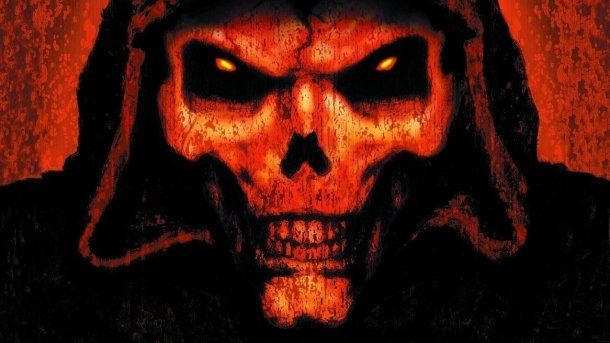
(Image: Blizzard)
"Diablo 2" is many things: action role-playing game, exactly 25 years old, destroyer of flesh beasts, trigger of tendonitis and a danger to social life. This also applies to the developers at Blizzard North, who began work on the sequel almost seamlessly after the grueling creation of "Diablo". According to a post-mortem published by project manager Erich Schaefer in the October 2000 issue of the developer magazine "Game Developer", the work on "Diablo 2" took just over three years, the second half of which the team spent practically in a permanent crunch.
This was mainly due to the fact that "bigger, better, better, more!" was the most important development credo. Not much was changed to the actual game design – and why should they? The gameplay loop had already turned out to be a jackpot that was as successful as it was addictive: you run through randomly selected dungeons, click enemies to destroy them, get fat loot in return, for which you can afford better and better equipment, whereupon you are able to take down tougher and tougher enemies, which gives you better loot, which gives you better equipment, whereupon you are able to...
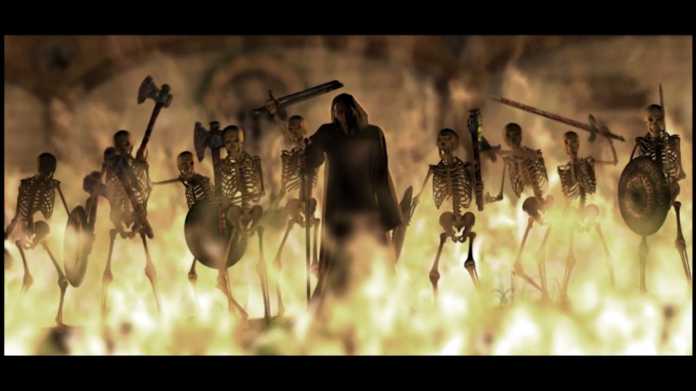
"Diablo 2" wird 25 Jahre alt (13 Bilder)
heise online
)The motivating carrot is always dangling in front of your nose, promising that the next time you come into contact with an enemy, a cool item is sure to drop or you'll get enough experience points for the next level up. Of course, these are hamster wheels for occupational therapy. And from a purely logical point of view, it's impossible to explain why you give in to the "Okay, just five more minutes, really!" self-deception again and again and again. You just realize at some point that the sun rises next to you without being asked.
The end of constant clicking
Of course, there were already role-playing games before the original "Diablo" that featured real-time combat - just think of Westwood's 1993 classic "Lands of Lore: The Throne of Chaos". But it was "Diablo" that made the non-stop "click, click, click, click, click" a central element of the game, to which an endless number of opponents and computer mice fell victim. This will to destroy, at least in terms of the available hardware, has been cranked back a little in "Diablo 2", because you no longer have to constantly maltreat the left mouse ear to click an enemy to death: once targeted, the enemy is automatically attacked for as long as you hold down the mouse button.

Apart from that, the main changes have been made: better graphics, more regions, more varied landscapes, more enemies, more items, more more. Instead of three character classes (warrior, mage and huntress), there are now five (barbarian, amazon, paladin, necromancer and sorceress). Not only do they differ greatly in terms of strength, dexterity, vitality and energy, but above all they have very different combat and magic focuses, making multiple playthroughs very appealing. Can you beat them all at the maximum level of 99?
Videos by heise
Instead of the same old dungeons, there is now a sophisticated, varied world; over the course of the four long chapters, you cross deserts and jungles, among other things, before the final battle against Diablo in Hell. An overview map that can be displayed at any time ensures constant clarity without dead ends. And if you press the Alt key after a tough battle against several opponents, the game shows you all the loot items clearly marked on the screen, including a very helpful rating. Or to put it another way: "Diablo" connoisseurs felt right at home here from the very first moment.

