


Surveys show: Small symbols are particularly important for Gen Z
Anyone who works with Gen Z should gradually learn the language of emojis. That's what survey results suggest.
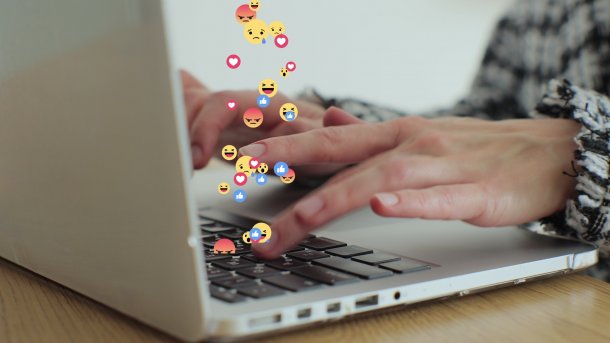
(Image: AlpakaVideo/Shutterstock.com)
For many people, emojis have become an indispensable part of digital communication. This is also shown by two recent surveys conducted on World Emoji Day. According to a Bitkom survey, one in five people in Germany uses emojis in every message. Women significantly more often (25 percent) than men (17 percent). Hearts, kisses, and smileys with heart eyes are particularly popular. However, there are also differences between the generations. Among those under 30, as many as one-third (34 percent) use emojis in every message, compared to 12 percent of those over 65. But emojis do not bring joy to everyone; 20 percent of the approximately 1,000 respondents stated that they were even annoyed by the survey. In addition, 62 percent of those surveyed said they had felt misunderstood by emojis at some point.

Nevertheless, Dr. Konstantin Peveling, social media expert at Bitkom, considers emojis helpful: "Emojis have become their own form of digital language. They help express emotions, reinforce messages, and make the tone of written communication clearer", says Peveling. "Emojis create closeness." – even across language barriers.
Influence of Gen Z
There seem to be major generational differences at play here: according to a survey by Atlassian Teamwork Labs and YouGov, a large majority of Gen Z respondents (88 percent) consider emojis helpful in their everyday work. However, according to the press release, the majority of Gen X or baby boomer respondents (51 percent) do not consider emojis helpful in a professional context. This difference can lead to profound cultural misunderstandings, especially in teams that rarely interact in person and primarily communicate remotely.
Videos by heise
Written text often lacks emotional cues and similar elements, which can lead to misunderstandings. According to the survey, a lot of working time is lost "interpreting messages from other colleagues." For Gen Z, whose share of the workforce is expected to rise to one-third by 2030, emojis could fill a gap and replace nonverbal feedback, according to Atlassian. Sixty-one percent of Gen Z said they are more likely to read messages if they contain one or two emojis and feel more motivated by emoji reactions. " – Unlike baby boomers. Gen Z instinctively knows how to make online communication human. They therefore understand how to express themselves clearly, evoke the right emotions, and build connections", says Dominic Price, Work Futurist at Atlassian. For cross-generational communication, he recommends that employees brush up on their emoji skills.


(mack)

