


Rail, solar power, AI: what's changing in August
A route closure, digital passport photos and AI regulation: what's changing for consumers in August.
(Image: Miriam Doerr Martin Frommherz/Shutterstock.com)
August brings an important change for commuters in particular. But the new month also promises important innovations for energy customers and in the field of artificial intelligence (AI).
Closure of the Berlin-Hamburg railroad line
The train line between Hamburg and Berlin will be closed from August 1 until the end of April 2026. The reason for this is a comprehensive general overhaul with which Deutsche Bahn intends to modernize the line. Passenger and freight traffic will be rerouted during this time. Where trains cannot run, replacement bus services will take passengers to their destinations.
Only digital passport photos allowed
When applying for a new ID card or passport, only digital photos will be accepted; paper photos are history. The passport authority will only accept digital photos that are either taken directly at the authority or sent there by a photo studio via a specified, secure transmission channel. The requirements already came into force in May, but analog passport photos will still be accepted in exceptional cases until the end of July.
Feed-in tariff for solar power drops again
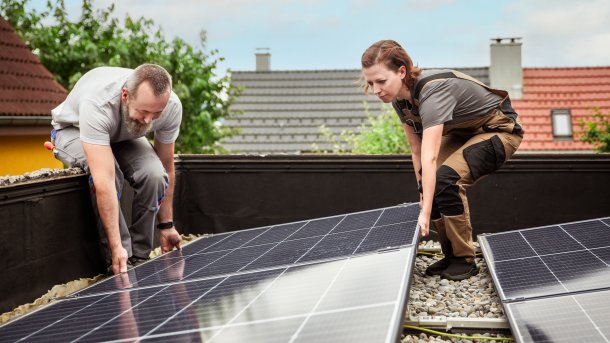
Anyone purchasing a new photovoltaic system must expect a lower feed-in tariff: The so-called feed-in tariff – i.e. the amount you receive for solar power fed into the grid – is reduced by one percent every six months. The next reduction will take place on August 1.
Stricter AI rules for ChatGPT & Co.
ChatGPT, Gemini and other large AI systems are subject to stricter transparency obligations in the EU. Providers of such general AI models must disclose how their systems work and what data they have been trained with.
The basis for this is the AI Act, a comprehensive EU AI law that aims to make artificial intelligence more transparent and safer. The rules will apply from August 2, but their enforcement by the authorities is staggered – from 2026 for new models and from 2027 for existing ones. Violations will then be subject to penalties from the Brussels authority.
Videos by heise
More cyber protection for electronic devices
Whether cell phones, fitness trackers or smart children's toys – from August 1, new safety rules will apply in the EU for many electronic devices that are directly or indirectly connected to the internet. New products that come onto the market will have to prove that they meet basic requirements for protection against cyber attacks, data misuse and fraud. In future, confidential communication will be better protected.
Consumers should be able to recognize the increased security standard by the CE mark. The new regulation applies to manufacturers, importers and retailers.


(dahe)


