


Afghanistan: Taliban cuts off fiber optic internet access in numerous provinces
In Afghanistan, the ruling Taliban have cut fiber optic internet connections in numerous provinces. Criticism has also come from the business community.
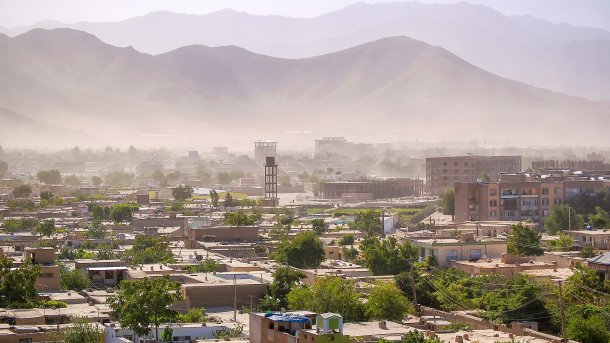
View over Kabul
(Image: Wandel Guides/Shutterstock)
A blockade of fiber optic connections by the Taliban has significantly restricted internet access in large parts of Afghanistan. According to the Afghan news portal Tolo News, 10 of 34 provinces are affected, and the economy is also suffering as a result of the blockade. Discussions are now underway to at least give the banking sector access to fiber optic connections again. According to Deutsche Welle, mobile internet was not initially impacted by the blockades, but it is very expensive and slow in the country. Netblocks has stated that parts of the country have gone offline as a result of the blockade.
Women and girls are particularly impacted, as they can no longer move freely in public and have to resort to the internet for education, for example.
The blocks began last week, and according to Deutsche Welle, there was no explanation from the Taliban. However, a spokesman for the northern province of Balkh said that the aim was to “prevent immorality.” Experts believe, however, that the rulers are concerned with blocking criticism and preventing any protests. The broadcaster quotes a security expert as saying that the move marks the beginning of a far-reaching crackdown that is not to be observed internationally. In response to the move, Tolo News has gathered criticism from the business community, pointing out how essential a functioning internet is.
Videos by heise
The Committee to Protect Journalists (CPJ) has called on the Taliban to lift the blockade. “The ban on broadband internet is an unprecedented tightening of censorship that undermines journalistic work and the public's right to information,” said regional director Beh Lih Yi. The US special envoy for Afghanistan, Zalmay Khalilzad, also criticized the move, calling it an “absurd and unwise” decision. If the aim is to block pornography, he said, it can easily be filtered. Many Islamic states do this. Whether at least parts of the economy will regain access, as Tolo News reported on Sunday, is currently unclear.



(mho)

