


SEC: "RadioShack buyers operated a Ponzi scheme"
The US Securities and Exchange Commission has accused the buyers of the insolvent US electronics chain RadioShack of operating a Ponzi scheme.
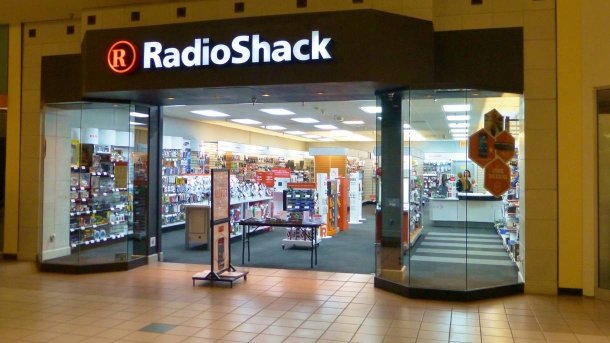
(Image: Nicholas Eckhart, CC BY 2.0)
Two e-commerce entrepreneurs who bought the US electronics chain RadioShack out of bankruptcy five years ago are accused of running a so-called Ponzi scheme. The US Securities and Exchange Commission (SEC) is accusing the founders of the Miami-based company Retail Ecommerce Ventures (REV), Alex Mehr and Tai Lopez, of defrauding investors of around 112 million US dollars. REV managing director Maya Burkenroad, a cousin of Lopez, is alleged to have supported the two.
The holding company Retail Ecommerce Ventures, which is at the centre of the allegations, has repeatedly bought up struggling retail companies such as Dress Barn, Linens 'n Things, and RadioShack recently. This is to subsequently transform them into profitable, online-only brands. REV took over RadioShack in 2020, three years after the long-established company went bankrupt for the second time. The electronics chain first filed for insolvency in 2015. This led to a dispute over the resale of millions of customer data from RadioShack's insolvency estate. Several US states opposed the move.
Investments under false pretences
The SEC's complaint filed on Monday in the US District Court for the Southern District of Florida (Case No. 1:25-CV-24356) alleges that Mehr and Lopez made "material misrepresentations" to hundreds of investors between 2020 and 2022 about the insolvent companies they acquired. For example, in order to persuade potential investors to invest in the companies acquired by REV, they claimed that they were "on track for success" and had "strong cash flow". They also represented that funds raised for a particular company would be invested exclusively in that company. According to the SEC's complaint, however, this was not the case.
"Contrary to these representations, while some REV retail brands were generating revenue, none of them were generating profits. Therefore, to pay interest, dividends, and bond payments due, defendants relied on a combination of loans from outside lenders, merchant loan prepayments, funds from new and existing investors, and wire transfers from other portfolio companies to meet their obligations. The complaint states. "At least $5.9 million of the returns distributed to investors were actually Ponzi-like payments funded by other investors."
Videos by heise
In total, REV raised more than $230 million from at least 660 investors. The SEC alleges that $112 million was acquired through fraudulent securities offerings of REV's eight retail brands. The majority of the funds were raised online through social networks and the Retail Ecommerce Ventures website. Approximately $16.1 million in investments were allegedly diverted by Mehr and Lopez for personal purposes, according to another SEC allegation.


(ds)


