


Smart Glasses: Meta holds over eighty percent market share
The smart glasses market is growing rapidly and is largely dominated by Meta's products, according to a recent study.
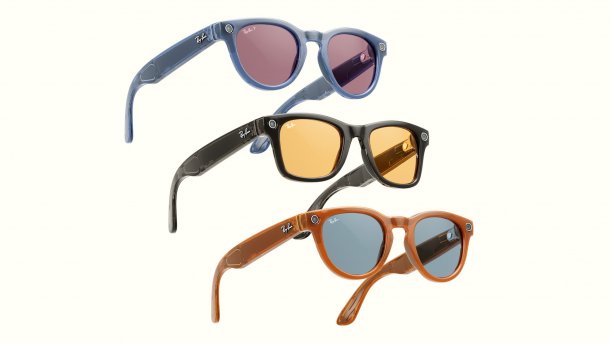
First generation Ray-Ban Meta glasses.
(Image: Meta)
The smart glasses market grew by 139 percent year-on-year in the second half of 2025, writes Counterpoint Research in a recent market study. The analysts refer to shipment volumes to retailers, not sales to end customers. The growth is attributed to seasonal demand, Meta's expanding product portfolio, and a series of new smart glasses from China.
According to Counterpoint, 88 percent of shipped smart glasses were AI glasses. The analysts define these as devices with speakers, microphones, and cameras that offer advanced AI features. The remaining 12 percent fall into other categories such as audio glasses. Counterpoint does not include smart glasses with displays or so-called display glasses.
According to the study, Meta further expanded its market leadership in the second half of the year: its share rose from 73 percent in the first half to 82 percent in the second half.
The company launched several new smart glasses in the second half of the year: the AI sports glasses Oakley Meta HSTN and Oakley Meta Vanguard, the second generation of Ray-Ban Meta glasses, and the Meta Ray-Ban Display, which is currently only available in the US.
Videos by heise
Meta soon faces serious competition
The first generation of Ray-Ban Meta is still available on the market and, according to Counterpoint, was the most shipped smart glasses product in the second half of 2025, followed by the slightly more expensive second generation launched in September. The AI sports glasses also performed well in terms of share, despite appealing to a smaller target group: in the fourth quarter of 2025, they accounted for over 30 percent of Meta's shipments.

(Image: Counterpoint Research)
In total, Meta and eyewear partner EssilorLuxottica sold more than seven million smart glasses last year. EssilorLuxottica announced this in its latest quarterly figures.
Currently, Meta has little competition. The report names China's smart glasses market leader Xiaomi as the second-largest provider. The company sells audio glasses in the West and launched its own AI model in China in June with the Xiaomi AI Glasses. However, the Chinese market now accounts for only six percent, while Europe grew to 30 percent. The US remains the largest single market with a 37 percent share.

(Image: Meta)
Analysts expect strong growth for 2026 and the following years. Counterpoint cites Meta's aggressive expansion plans and a growing number of new products from OEMs and major tech companies as reasons. The first Android XR-based smart glasses are confirmed for this year, and Apple could enter the market in 2027.
Nevertheless, caution is advised with growth forecasts. The growth rates of the past year estimated by Counterpoint – 110 percent in the first half and 139 percent in the second half – are not least due to the low starting point of the market. Whether smart glasses will actually make the leap to the mass market remains to be seen.


(dmk)


