


First arrest after Bitcoin price manipulation through fake SEC tweet
A man from Alabama would have helped take over the SEC's X account. His cronies posted a false report to manipulate the Bitcoin price.
(Image: Creativan/Shutterstock.com)
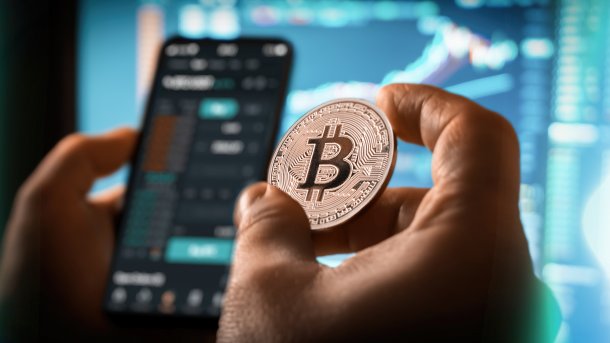
The fake tweet from the account of the US Securities and Exchange Commission (SEC), which caused the price of Bitcoin to soar in early 2024, has now led to a first arrest. The 25-year-old Eric C. from Athens in the US state of Alabama played a key role in enabling someone to take over the SEC's X account and post a false report on the approval of Bitcoin funds. As a result, the price of Bitcoin immediately rose by 1000 US dollars, which apparently enriched the crooks.
After the SEC (Securities and Exchange Commission) regained control of its account on X (formerly Twitter) and clarified that it was a false report on Twitter, the Bitcoin price immediately plummeted by 2000 dollars. These price jumps caused considerable losses for some cryptocurrency traders. This is because the sharp price fluctuations triggered automatic sales of collateral that had been deposited for bets on Bitcoin prices.
X access via SIM swapping
A few weeks later, it became known that the SEC had fallen victim to SIM swapping. Unknown persons had reset the password after taking over the telephone number linked to the account so that they could post their own tweets on the SEC's official channel. SIM swapping is a scam in which attackers gain control of a victim's phone number. If the attack is successful, they can set up the number on their own mobile devices and use it to make purchases, for example.

It was initially unclear how the unknown attackers got the provider to transfer the phone number and how they knew which number was linked to the account. Now the United States Department of Justice explains how the suspected Eric C. and the previously unknown rest of the gang proceeded to gain access to the SEC's X account.
Self-printed ID card with stolen data
According to the indictment, Eric C. obtained personal information and an ID card template with the victim's name and photo from co-conspirators. Eric C., who calls himself "Ronin", "Easymunny" and "AGiantSchnauzer" online, then used his own ID printer to create a fake ID with the victim's information. Eric C. used it to buy a new SIM card linked to the victim's phone number and a new iPhone, which he paid for in cash.
Videos by heise
With the iPhone and the new eSIM, he was able to obtain the access data for the SEC's X account. He shared these with the rest of the gang, enabling them to send the aforementioned tweet on behalf of the SEC: "Today the SEC is granting approval for trading Bitcoin Exchange Traded Funds on all national exchanges." This drove the price of the cryptocurrency even higher.
Suspect apparently felt persecuted
Eric C. was paid for his cooperation in Bitcoin and shortly afterwards returned the iPhone used for SIM swapping to the trader. According to the indictment, he later searched the internet for "SECGOV hack", "telegram sim swap", "how can I know for sure if I am being investigated by the FBI" and "What are the signs that you are under investigation by law enforcement or the FBI even if you have not been contacted by them". Apparently he wanted to check whether the authorities were on to him.
It is still unclear how the crooks knew who was responsible for the X account within the SEC. The other members of the group apart from Eric C are also unknown. He was arrested by the FBI in Alabama yesterday morning and brought before a magistrate the same day. He is accused of conspiracy to commit aggravated identity theft and fraud with access devices.
Incidentally, the false report made by the US Securities and Exchange Commission at X proved to be correct within a very short time. The following day, the SEC officially approved Bitcoin funds.


(fds)

