


Trade war with China: How the US government's isolation attempts affect Apple
The Trump administration has suspended punitive tariffs on iPhones from China. But new trouble is threatening Apple from another corner.
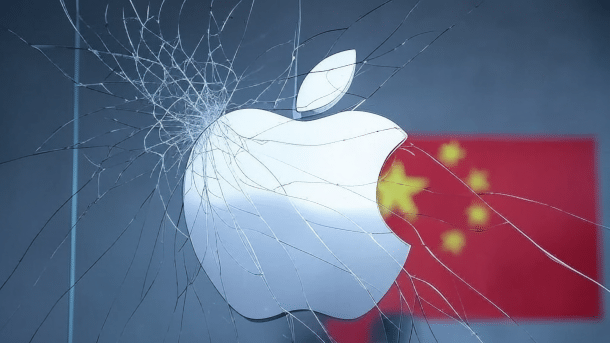
Apple logo in front of Chinese flag (symbolic image): Open trade war looms after punitive tariffs.
(Image: Erstellt mit Grok durch Mac & i)
Apple is one of the major US companies that is particularly affected by the current trade conflict between the Trump administration and many countries around the world. The iPhone company manufactures almost all of its products outside the United States, most of them in China. The US government recently declared – a 90-day exemption from possible punitive tariffs, probably also as a result of lobbying by Apple CEO Tim Cook –. However, the planned 145% import duty on products from the People's Republic could return and make the iPhone much pricier in the US. But that's not all: there is also a threat of open conflict between the two countries in other areas, as a well-known Apple analyst warns in a new report.
Disrupted supply chain
The reason: in addition to the possible high punitive tariffs against China, Washington is also trying to isolate Beijing – with other trading partners. As the US stock market broadcaster CNBC writes, China then wants to respond with its own retaliatory measures. The Trump administration is therefore planning to use the ongoing tariff negotiations with numerous countries to get other regions of the world to reduce their business with China. The Chinese Ministry of Commerce reacted promptly and announced that it would “resist any deal that comes at the expense of Chinese interests”. “Resolute countermeasures” are to be expected.
Videos by heise
According to Ming-Chi Kuo, Apple expert at Taiwanese investment firm TF International Securities, this does not bode well for Apple's supply chain (and Apple itself): the risks of tariffs and other restrictions could “escalate significantly” and make the situation “highly unpredictable”. This is because Apple's supply chain is significantly dependent on China. Although the company increasingly assembles its iPhones in India (or has this done by manufacturers), it uses primary products and components that mostly come from China. Indirect tariffs imposed by US trading partners could therefore disrupt Apple's supply chain.
Punitive tariffs against China under pressure from the US
“As long as the US only imposes high tariffs on Chinese imports, the risks can be managed. If other countries do this, Apple would have to set up even more non-Chinese iPhone production lines,” says Kuo. This would not only affect US imports – as the largest market for Apple – in the future, but also other markets, which in turn impose punitive tariffs on China (or components from China) under pressure from the US itself.
In the worst-case scenario, the customs risk for Apple cannot be assessed “and can no longer be controlled at all”, writes the analyst. It is currently unclear what exactly is being negotiated behind closed doors.
Empfohlener redaktioneller Inhalt
Mit Ihrer Zustimmung wird hier ein externer Preisvergleich (heise Preisvergleich) geladen.
Ich bin damit einverstanden, dass mir externe Inhalte angezeigt werden. Damit können personenbezogene Daten an Drittplattformen (heise Preisvergleich) übermittelt werden. Mehr dazu in unserer Datenschutzerklärung.


(bsc)


