


Fraud with Seagate hard disks: No end in sight
In the spring, there were hundreds of cases of customers being ripped off with used HDDs sold as new. This continues to happen.
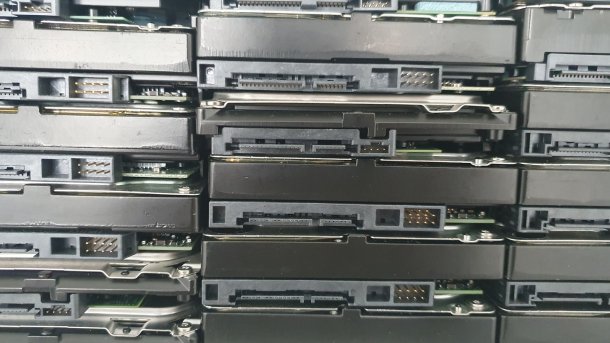
At the end of last week, our reader Marc N. received his Seagate hard disks ordered from Proshop. After installing them in his Synology NAS, he ran a test program to be on the safe side, and lo and behold, the tool reported that the drives had already clocked up almost 20,000 hours. They were Exos X18 models with 16 TByte, type designation ST16000NM0. The price did not indicate that the drives were used, nor did the invoice contain any reference to this. This continues the series of fraud cases from the spring.
Proshop took the disks back without hesitation and apologized for the faulty delivery; the retailer also covered the costs for the return shipment.
Source of error: automated procurement system
In response to our inquiry, Proshop confirmed the process. The delivery to our reader was two of a total of ten drives that “came from a German and trustworthy, but not official Seagate distributor”. The retailer also wrote: “We now only purchase our hard disks from official distributors, but the ten hard disks in question appear to have crept in through automated procurement systems.”
The retailer has not yet responded to further inquiries about the origin of the drives and other affected customers.
Seagate, the manufacturer of the drives, is still investigating and was unable to provide us with any new information on the cases of fraud.
Videos by heise
Continued caution advised
We conclude from the new case that there are still used hard disks declared as new in the warehouses of some retailers and wholesalers. It remains unclear whether they are aware of the falsely declared devices and whether they are still selling them at the price of new models.
We continue to advise caution: After purchasing a new hard disk, look for signs of wear on the housing, check the production date and check the warranty status using the serial number. Seagate's server and NAS models collect data beyond the SMART data, which the fraudsters have apparently not yet been able to delete; these can be read out with tools. Seagate's desktop models from the Barracuda series and hard disks from other manufacturers cannot be easily checked for possible fraud using software.

We are still happy to receive information about other cases of fraud, not just hard disks. If you would like to remain anonymous, please use our anonymous mailbox at heise.de/investigativ.

(ll)

