


Study: Apple Watch to detect hidden diseases with AI
Apple's computer watch comes with various sensors and relatively fast hardware. With a new AI model, these are to be better evaluated.
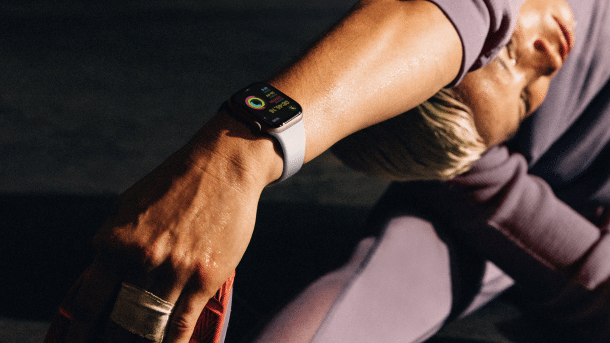
Apple Watch Series 10: Sensor evaluation with AI.
(Image: Screenshot/Apple)
With the help of sensor data from an Apple Watch, it may be possible to detect various diseases at an early stage. This is the result of a study published by Apple. Researchers at the company have developed a new basic model for this purpose, the Wearable Behavior Model (WBM), as they write in their paper, which was published on the preprint website Arxiv.org at the end of June.
Data from 162,000 people
To develop the WBM, data from 162,000 voluntary participants in Apple's heart and exercise study were analyzed over a total of 2.5 billion hours. A total of 57 health-related tasks were then tested with the model. The sensor data evaluated included the areas of heart health (via heart rate measurement), physical activity (via accelerometer), user-entered data such as BMI, the so-called Vitals, which now also include changes in body temperature when the Watch is worn at night, as well as mobility / gait behavior.
What is particularly useful about the new basic model is that it can record changes in health over time – and not just analyze individual values as they are normally presented to the user. The detection works well, for example, for infectious diseases of the respiratory tract or heart diseases that require the use of beta blockers. Even the detection of pregnancy worked surprisingly well. It was also checked whether a diabetes status or a mobility injury could be detected. The WBM was also able to reconstruct input signals.
Videos by heise
Potential for a product?
Apple has not yet indicated whether the WBM will be turned into a product. In the field of AI, the company now tends to publish a whole series of papers that initially describe pure research projects. The problem with early medical detection via Apple Watch still lies in the accuracy of the devices – and the approval issues.
For example, Apple has only dubbed the blood oxygen saturation meter in its computer watch a "wellness" device, but not a medical sensor. So it will probably be a while before wearables can be prescribed as a health insurance benefit. However, the fact that the data is available and is recorded over the long term opens up completely new possibilities, as the WBM shows.
Empfohlener redaktioneller Inhalt
Mit Ihrer Zustimmung wird hier ein externer Preisvergleich (heise Preisvergleich) geladen.
Ich bin damit einverstanden, dass mir externe Inhalte angezeigt werden. Damit können personenbezogene Daten an Drittplattformen (heise Preisvergleich) übermittelt werden. Mehr dazu in unserer Datenschutzerklärung.


(bsc)


