


New HomeKit Architecture: One Month Left Until Forced Upgrade
On February 10, the "New HomeKit Architecture" is finally set to arrive for all users. The company had been dragging its feet on it for a long time.
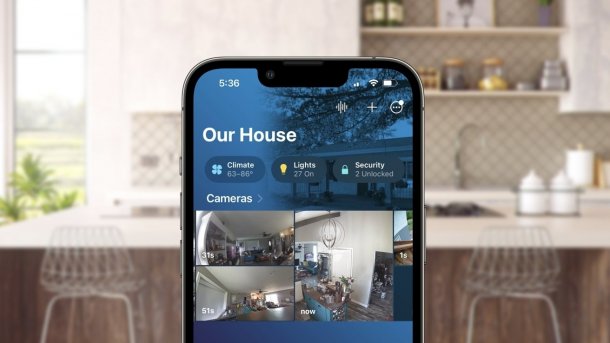
HomeKit, here in an older version of iOS.
(Image: Apple)
Originally, almost all users of Apple's smart home platform HomeKit should have switched to the company's new architecture, which was officially launched almost three years ago after initial failed attempts. However, the manufacturer decided to initially leave “HomeKit 2.0” optional, which slowed down adjustments by manufacturers and apparently prompted a number of users not to update. Now, the (very) old technology is finally coming to an end: Apple is once again drawing attention to the fact that the grace period expires on February 10.
It's finally over with the old HomeKit
Those who have not yet completed the upgrade will now find a corresponding notification, firstly in the Home app and secondly in their email inbox. “This email serves as a second reminder that support for the previous version of Apple Home will end next month on February 10, 2026,” it says in translation.
Videos by heise
Without an update, access to one's own home may be blocked, and problems may arise when using hardware. Furthermore, necessary security and performance improvements will be missing, according to Apple. The company also emphasizes again what new features the new architecture promises: including support for robot vacuums or the activity list.
Where is HomeKit 3.0?
With HomeKit 2.0, Apple also implemented improvements in device switching speed. However, this is not perfect – many a user has long wished for a HomeKit 3.0. But that will only come when all users have migrated to the previous version. When that will happen remains unclear; Apple provides no information about its development plans.
The new HomeKit architecture is rolled out via the Home app. Devices on the network must use at least iOS or iPadOS 16.2, macOS 13.1, tvOS 16.2, or watchOS 9.2, all of which are outdated versions that should no longer be used for security reasons. It may happen that (very) old devices no longer support the new architecture, but this only occurs in very rare cases.
Empfohlener redaktioneller Inhalt
Mit Ihrer Zustimmung wird hier ein externer Preisvergleich (heise Preisvergleich) geladen.
Ich bin damit einverstanden, dass mir externe Inhalte angezeigt werden. Damit können personenbezogene Daten an Drittplattformen (heise Preisvergleich) übermittelt werden. Mehr dazu in unserer Datenschutzerklärung.


(bsc)


