


Problematic Apple accessories: Lightning devices that need Bluetooth
Unofficial Apple accessories are coming from Asia that obtain power via Lightning but do the rest via Bluetooth. Adapters and headphones are affected.
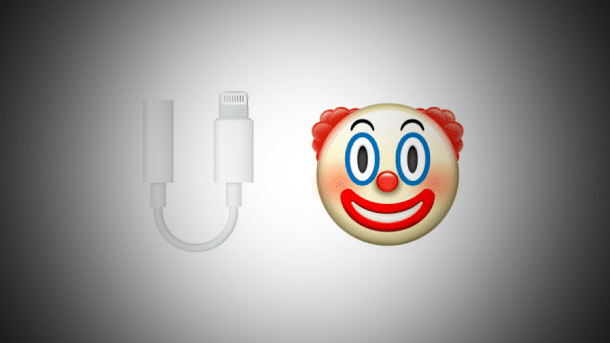
More from the world of clowns: Lightning adapters are already being counterfeited too. But this one is genuine.
(Image: Apple)
Apple has been removing the analog jack socket from the iPhone since 2016. The reason given at the time was that users now mainly use Bluetooth headphones. Anyone who still wants to use wired audio devices - with the exception of the iPhone 15, which uses USB-C and requires suitable hardware - either needs special Lightning headphones. Or alternatively an adapter that has an A/D converter and uses Lightning on one side and the mini-jack on the other. As one user now reports, you should be careful when buying both: There is cheap hardware from Asia on the market that uses a special combination of wired Lightning and Bluetooth.
Surprise in South America
This is reported by AI expert Josh Whiton, whose post on the subject went viral on X. He had lost his wired Lightning headphones and wanted to buy new ones at an airport in Chile. As it turned out, however, they didn't work. So Whiton went back to the store and replaced it. That one also failed, as did a third brand. Finally, the people in the store told him to switch on Bluetooth. And sure enough, the headphones prompted him to pair them.
Videos by heise
Whiton was amazed. The solution to the puzzle: some manufacturers of inexpensive Lightning headphones that bypass Apple's "Made for iPhone" certification (although they often seem to write this on their packaging) use a very special technical principle. Instead of buying expensive Lightning chips, they only use the connection to supply an integrated Bluetooth chip with power. This saves the battery that is actually required. The actual sound transmission, on the other hand, takes place - as with wireless plugs - via radio.
Creative electronics
Whiton then wanted to circumvent the crazy design by purchasing a Lightning adapter. However, this device, which originally cost 10 euros, was also only available as a fake in the airport store. The hardware is even more creative than the fake Lightning headphones. As Whiton further reports, the adapter works on (almost) the same principle.
It also only takes power from the iPhone's Lightning port. This is used to power a Bluetooth chip. This in turn transmits the audio signal over a distance of perhaps 1.2 cm to a receiver connected to a jack socket. Analog headphones can then be plugged into this socket. Whiton recognized this by the fact that this adapter also only worked when the iPhone's Bluetooth was active. He hopes that Apple will release Lightning as open source as soon as possible. "They are responsible for this by leaving out the headphone jack." The only thing left for users to do is to pay close attention to which accessories they purchase.
Empfohlener redaktioneller Inhalt
Mit Ihrer Zustimmung wird hier ein externer Preisvergleich (heise Preisvergleich) geladen.
Ich bin damit einverstanden, dass mir externe Inhalte angezeigt werden. Damit können personenbezogene Daten an Drittplattformen (heise Preisvergleich) übermittelt werden. Mehr dazu in unserer Datenschutzerklärung.


(bsc)


